

Understanding the 1031 Exchange:
A Smart Real Estate Strategy
What s a 1031 Exchange?
A 1031 exchange, named after Section 1031 of the Internal Revenue Code, allows real estate investors to defer capital gains taxes when selling an investment property. Instead of paying taxes on the profit, the proceeds are reinvested into a “like-kind” property, helping investors continue to grow their portfolio without immediate tax liability.
How It Works Nationwide
Across the United States, investors use 1031 Exchange to scale and reposition their real estate holdings. The term “like-kind” is broad, it can include exchanging a residential rental for a commercial property or land, as long as both are held for investment or business purposes.
There are strict timelines to follow:
- 45 days to identify replacement properties
- 180 days to complete the purchase
A qualified intermediary is required to handle the transaction and ensure compliance with IRS regulations.
Why Investors Use it
The main advantage of a 1031 exchange is tax deferral, but it also offers:
- Increased purchasing power
- Portfolio diversification
- Opportunity to upgrade or consolidate properties
How we Handled a 1031 Exchange
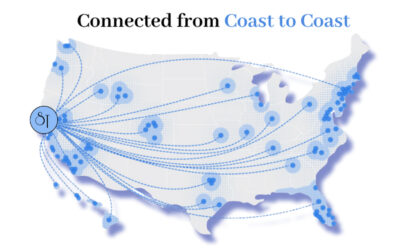
We guided our clients through a successful 1031 exchange, completing both the sale of their original property and the purchase of a replacement within 45 days. Leveraging our coast to coast network, we connected them with a trusted local agent in their target market, ensuring strong on the ground expertise throughout the process.
Through careful planning and collaboration, our clients were able to defer capital gains taxes and transition seamlessly into their next property.
Final Thoughts
A 1031 exchange remains one of the most effective tools for real estate investors nationwide. With proper planning and the right team, it can help you grow your investments while keeping more capital working for you.
Ready to Explore a 1031 Exchange?
If you’re considering selling an investment property and want to maximize your returns, a 1031 exchange may be the right strategy for you. Our team has hands-on experience guiding clients through every step of the process, from sale to successful reinvestment.
Contact us today to discuss your goals and learn how we can help you structure a smooth and successful 1031 exchange.
Disclaimer: This article is intended for informational purposes only and should not be considered legal, tax, or financial advice. Investors should consult with qualified tax and legal professionals regarding their specific situation before pursuing a 1031 exchange.
FAQ
What is a 1031 exchange?
- A 1031 exchange is a tax-deferral strategy that allows real estate investors to sell an investment property and reinvest the proceeds into another qualifying investment property without immediately paying capital gains taxes. The exchange is governed by Section 1031 of the Internal Revenue Code.
What types of properties qualify for a 1031 exchange?
- Most real estate held for investment or business purposes may qualify. Examples include rental homes, apartment buildings, commercial properties, industrial properties, and vacant land. Personal residences generally do not qualify.
What does “like-kind” property mean?
- In real estate, the definition of like-kind is broad. An investor may exchange one type of investment property for another, such as a rental home for a retail building, office space, or undeveloped land, provided both properties are held for investment or business use.
What are the key deadlines in a 1031 exchange?
There are two important deadlines:
- The replacement property must be identified within 45 days of selling the original property.
- The replacement property must be purchased within 180 days of the sale.
Missing either deadline can disqualify the exchange and trigger capital gains taxes.
Why is a qualified intermediary required?
- The IRS requires a qualified intermediary (QI) to facilitate the exchange. The intermediary holds the proceeds from the sale and ensures the transaction follows IRS regulations. Investors cannot take direct possession of the funds during the exchange process.
What are the benefits of a 1031 exchange?
Potential benefits include:
- Deferral of capital gains taxes
- Greater purchasing power
- Portfolio diversification
- Consolidation or expansion of holdings
- Opportunity to transition into different property types or markets
Can I use a 1031 exchange to purchase property in another state?
- Yes. A 1031 exchange can be completed anywhere within the United States, allowing investors to move capital into markets that better align with their investment goals, cash flow objectives, or long-term strategies.
Can I exchange one property for multiple properties?
- Yes. Investors may sell one property and acquire multiple replacement properties, or sell multiple properties and acquire one larger asset, provided IRS requirements are met.
What happens if I don’t reinvest all of the proceeds?
- Any proceeds not reinvested may be considered “boot” and could be subject to capital gains taxes. Investors should consult with their tax advisor and qualified intermediary to understand the potential tax implications.
When should I begin planning a 1031 exchange?
- Ideally, planning should begin before listing your property for sale. Early preparation allows investors to assemble the right team, identify potential replacement properties, and avoid common timing and compliance issues.
Do I need a real estate agent who understands 1031 exchanges?
- Yes. Because of the strict timelines and coordination required, working with an experienced real estate professional can help streamline the process, identify suitable replacement properties, and ensure all parties remain aligned throughout the transaction.